
Adam Electric's tips for self inspecting your electrical system
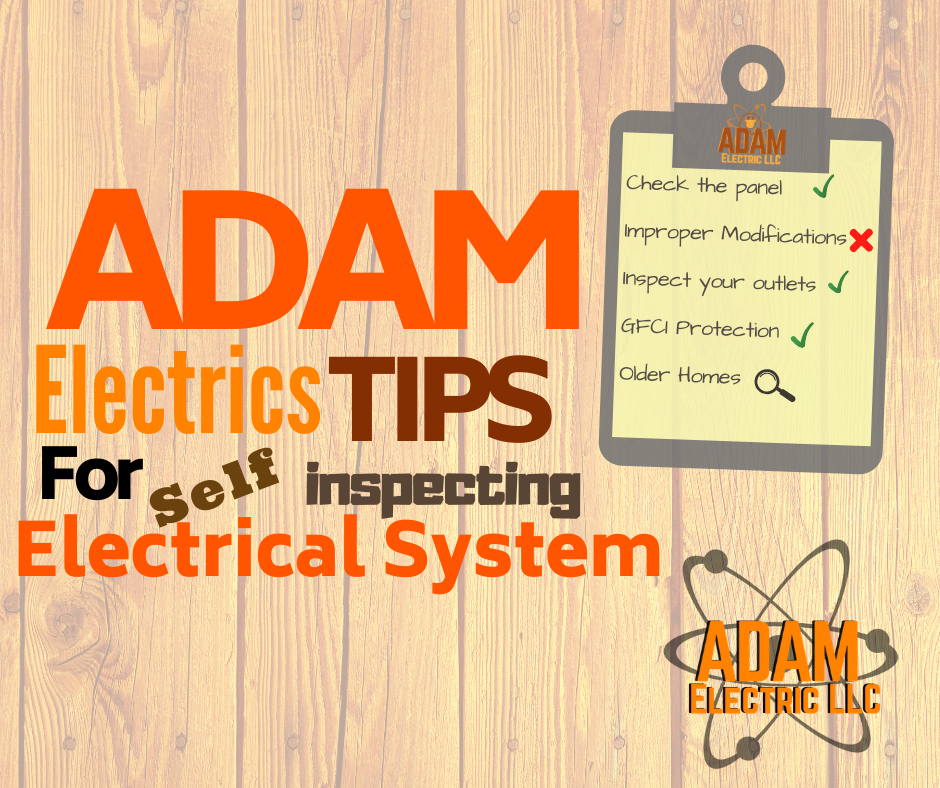
Electrical accidents are dangerous, may be expensive, and can often be avoided.
Knowing what to look for when self inspecting the electrical system in your home can help to understand these risks. Adam Moore of Adam Electric LLC in Anchorage, Alaska shares his tips for self inspecting the electrical system in your home.
Check the Electrical Panel
The electrical panel is often located in a hall, bedroom or garage. Residential code does not allow for the electrical panel to be located inside of any closet. Upon opening the door of your electrical panel you will see the circuit breakers. There should be no exposed wiring or unsealed cavities that might allow debris to enter. Check to make sure your switches are properly labeled i.e. the one that says “kitchen” turns on/off power to the kitchen. Mislabeled breakers should be relabeled to prevent confusion in the event of an emergency. Make sure the panel is easily accessible and free of clutter. Always contact a licensed electrician if you notice anything out of the ordinary.
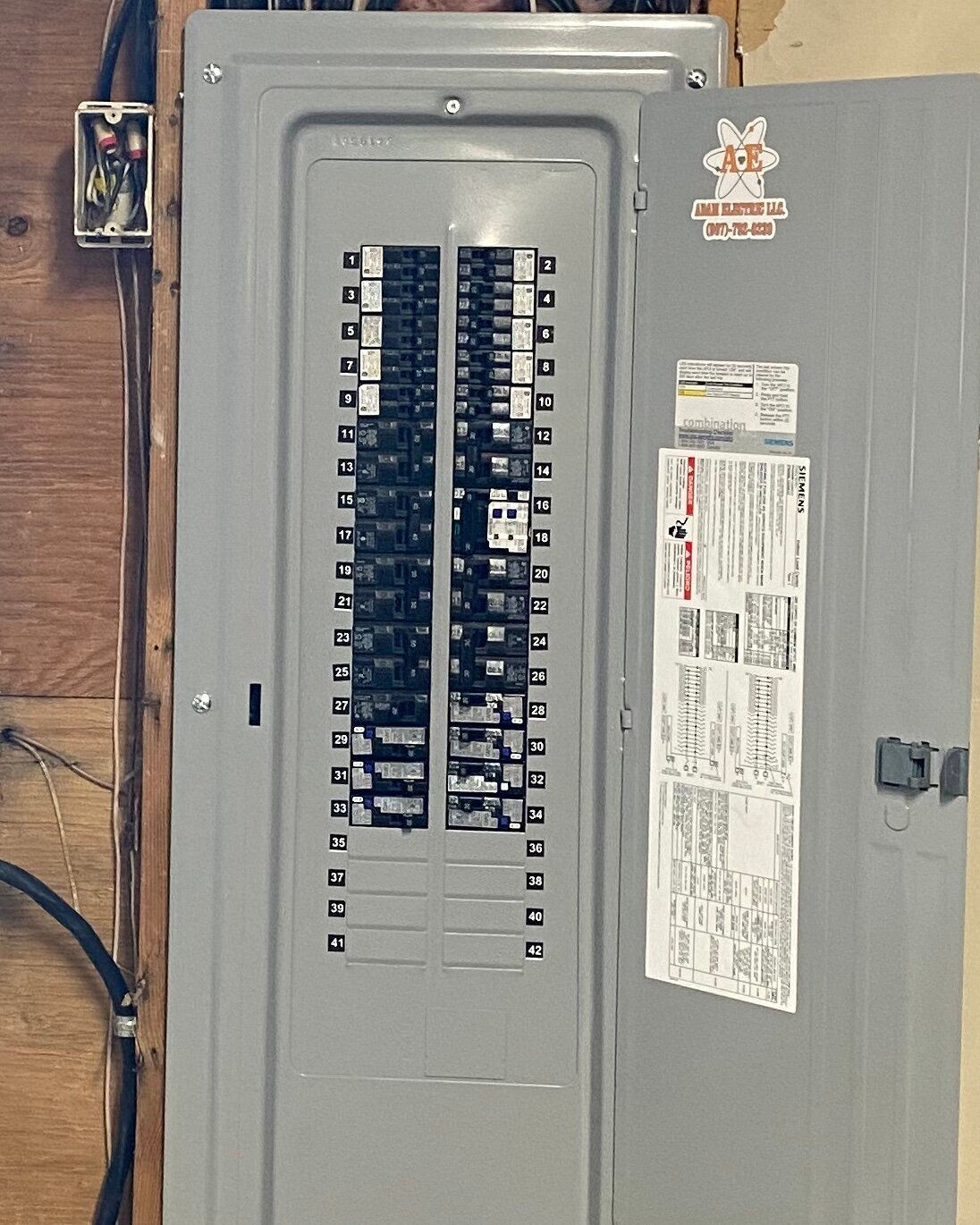
Panels should always be correctly labeled. This is a picture of a panel consolidation and upgrade Adam Electric completed in 2020
Improper Modifications
To an untrained eye, improper modifications can be tricky to spot, especially if hidden behind drywall. Poor workmanship can be a sign of improper modification or potential hazards. Extension cords should never be used as a permanent power source. Flexible cords including extension cords may not pass through a wall.
Inspecting your outlets
Outlets can easily be tested using a simple plug tester. They are inexpensive and will tell you if your outlet has been wired properly without removing the outlet or cover plate. If your outlets do not pass the plug test, contact an electrician for further evaluation. The plug tester is also very helpful when you are verifying the labeling of your circuit breakers. Any blocked or painted outlets should be cleaned and free of debris. Never insert an object directly into an outlet.
GFCI Protection
Ground fault circuit interruption outlets or GFCI outlets are designed to protect people from electrocution. They are a safety device that can detect when an electrical current is flowing through the wrong pathway, like water or even a human! GFCI outlets are designed to cut the power before damage can occur. All bathrooms, garage, exterior, and laundry receptacles are required to be GFCI protected. As well as all counter-top receptacles and any outlet within 6 ft of a water source. Your plug tester can help you identify if these outlets are GFCI protected by pressing the “test” button the plug tester. Once pressed, if the outlet is GFCI protected the lights on the tester should turn off.
Following these tips will help you better understand your home's electrical system and could help avoid costly repairs. Remember, repairs and renovations should always be performed by a licensed electrician. Contact Adam Electric LLC today if you have any questions or concerns with your home's electrical system.